Nearly 30,000 pounds of Argentine beef were recalled after it skipped required U.S. reinspection. Here's what happened and why farm-raised, pasture-raised beef from Fifty Four Farms is the safer, better choice.
In early August 2026, the USDA's Food Safety and Inspection Service announced a Class I recall of approximately 29,628 pounds of raw beef imported from Argentina. The products, distributed by Corte Argentino USA LLC to retailers and distributors in Florida and Texas, never received the mandatory import reinspection required before entering U.S. commerce.
The beef came from Frigorifico Gorina SAIC and included boneless cuts such as top sirloin butt, eye round, topside cap off, flat, and knuckle. It was produced between May 15–20, 2026, with use-or-freeze-by dates of September 15–20, 2026. The packages carry the Argentine establishment number "EST. N° OF. 2025" and shipping mark "26644-AA." No confirmed illnesses have been reported, but the agency classified it as a Class I recall—the highest risk category—because the missing reinspection means officials could not verify the product met U.S. safety and labeling standards.
This kind of situation is exactly why more families are choosing to buy directly from farms they can visit and trust.
What Happened in the Argentine Beef Recall
Imported beef is a normal part of the U.S. meat supply, and when every regulatory step is followed correctly, it can be a safe and high-quality option. The problem in this case wasn't the beef itself—it was the process. The shipment bypassed the required USDA reinspection that every imported meat product must pass before it can be sold to American consumers.
That reinspection is the safety net. It's the moment when USDA officials verify that the product matches its documentation, that it was produced under equivalent standards, and that it is safe to enter the U.S. food supply. When that step is skipped, there is no way to confirm what families are actually putting on their plates. That uncertainty is what earned the recall its Class I designation—the category reserved for situations where there is a reasonable probability that use of the product could cause serious health consequences.
The Problem With Long, Opaque Supply Chains
The Argentine recall is a perfect example of the risk built into long, complex supply chains. By the time a cut of beef reaches a grocery store shelf, it may have traveled thousands of miles, passed through multiple handlers, and crossed international borders. Each step is another opportunity for a breakdown in traceability.
For the consumer, this creates a simple but uncomfortable reality: you rarely truly know where your beef came from, how it was raised, or whether every safety checkpoint was actually completed. The label may say one thing, but the chain of custody tells a more complicated story.
Why Knowing Your Farmer Matters
At Fifty Four Farms in Chestnut, Illinois, every animal is raised right here in the Midwest. Our cattle spend their lives on pasture, finished on high-quality grain for the marbling people love, and never receive added hormones or unnecessary antibiotics. We dry-age every beef for 14–21 days at a trusted local processor. The result is consistently High Choice or Prime-grade beef that is fully traceable from our pastures to your freezer.
When you buy a quarter, half, or whole from us, you know:
- Exactly where the animal was raised — on our family farm in Central Illinois, not a feedlot halfway across the world.
- How it was handled and finished — pasture-raised, grain-finished, humanely treated, and never given growth hormones.
- That it was processed under full U.S. inspection — at Raber Packing Co., a USDA-inspected facility we trust and have partnered with for years.
- That nothing was rushed through a complex international supply chain — your beef goes from our farm, to the processor, to your freezer. That's it.
Traceability You Can Actually See
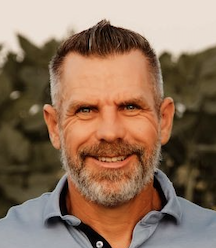
One of the biggest differences between buying a bulk beef share from a local farm and grabbing a package from the grocery store is traceability. When you purchase from Fifty Four Farms, you're not buying an anonymous product. You're buying from Shaun and the Tyson family—people you can call, text, or even visit.
If you ever have a question about how your beef was raised, what it was fed, or how it was processed, you get a real answer from the person who raised the animal. That level of accountability simply does not exist in the international commodity beef supply chain.
The Dry-Aging Difference
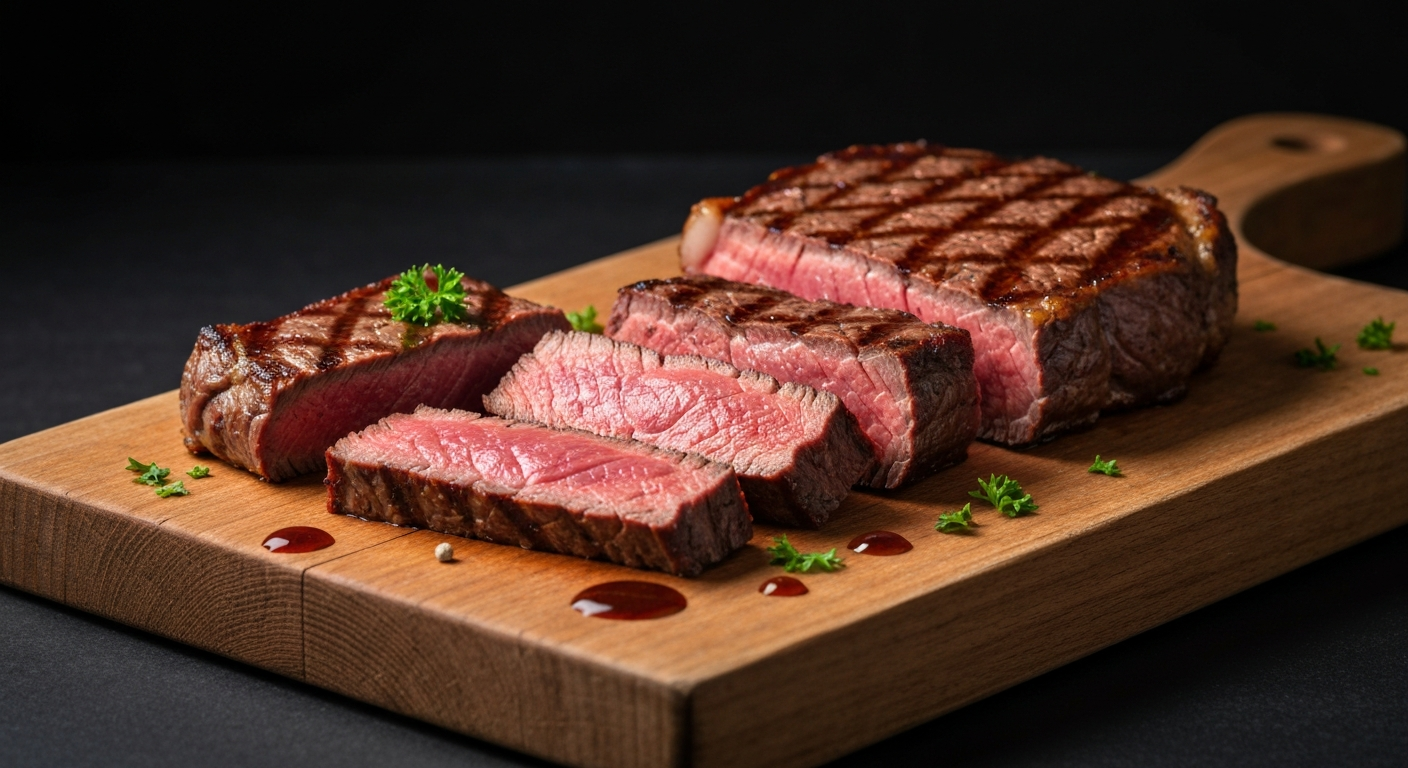
Beyond safety and traceability, there's the matter of quality. Most imported and grocery store beef is wet-aged in vacuum-sealed plastic, which does little to develop flavor or tenderness. Our beef is dry-aged for 14 to 21 days in a temperature-controlled environment. This process concentrates the beefy flavor and allows natural enzymes to break down connective tissue, producing steaks and roasts with a depth of flavor you simply can't find in mass-produced, rushed-to-market beef.
A Safer, Better Choice for Your Family
Imported beef can be excellent when every step is followed correctly. But when a required safety check is skipped, consumers are left wondering. With farm-raised beef from Fifty Four Farms, you never have to wonder.
You know the farm. You know the farmer. You know the processor. And you know exactly what's going into your freezer and onto your family's table. That peace of mind is worth more than any per-pound discount at the grocery store.
What to Do Next
If the recent Argentine beef recall has you rethinking where your steaks and ground beef come from, we'd love to help. Visit fiftyfourfarms.com, take our quick quiz to find the right share size for your family, or give us a call. We're happy to walk you through the process and get you on the schedule.
Know your farmer. Know your beef.
— The Tyson Family, Fifty Four Farms
Frequently Asked Questions
What caused the Argentine beef recall in 2026?
The USDA recalled approximately 29,628 pounds of Argentine beef because the shipment skipped the mandatory import reinspection required before foreign meat can enter U.S. commerce. Without that reinspection, officials could not verify the product met U.S. safety and labeling standards, prompting a Class I recall.
Is imported beef safe to eat?
Imported beef can be safe and high-quality when every regulatory step is followed correctly. The risk arises when a required safety checkpoint is skipped, as happened in this recall. Buying directly from a local farm eliminates that uncertainty because you can trace the product from pasture to freezer.
How is Fifty Four Farms beef different from grocery store beef?
Our beef is pasture-raised in Central Illinois, grain-finished for marbling, never given added hormones, and dry-aged for 14–21 days at a USDA-inspected local processor. It is fully traceable, custom-cut for your family, and never travels through a complex international supply chain.
Where is Fifty Four Farms beef processed?
All of our beef is processed at Raber Packing Co., a trusted, USDA-inspected facility in Peoria, Illinois. This ensures every cut meets full U.S. inspection standards before it reaches your freezer.
How do I buy a beef share from Fifty Four Farms?
Simply take our quick matching quiz or book a free consultation call with Shaun. We'll help you choose between a quarter, half, or whole beef share, take your deposit, and handle the rest—including delivery options across Central and Northern Illinois.
Why Central Illinois Families Choose Fifty Four Farms
It's not just about buying a quarter cow or a half beef. It's about the process. From the moment our cattle are raised on pasture to the 14-day dry aging process at Raber Packing Co. in Peoria, every step is designed for quality.
- Humane Handling: First in line at the processor means less stress for the animal, which translates to better, more tender beef.
- Custom Cut Sheets: Shaun consults with you to ensure you get the exact cuts your family will actually eat.
- Dry Aging: Our 14-day dry aging concentrates flavor and improves tenderness naturally through enzymatic breakdown.
- Premium Genetics: Our cattle are pasture-raised and grain-finished, producing High Choice or Prime grade beef 85-90% of the time.
Making the Right Choice for Your Family
Whether you're looking for quick weeknight meals with ground beef or premium steaks for the weekend, having a freezer full of custom-cut beef changes how you cook. No more last-minute grocery runs, and no more settling for subpar quality.
Common Questions About Farm Raised Beef
How much freezer space do I need?
For a quarter beef, you'll need about 4-5 cubic feet. For a half beef, you'll need about 8-10 cubic feet.
What if I don't know how to cook certain cuts?
Shaun provides a personal consultation! We'll guide you on the best cuts for your cooking style.
Can I split an order with a friend?
Absolutely. We help families do this all the time and can ensure the cuts are split fairly.
Ready to taste the difference?
Book a free 20-minute consultation with Shaun to discuss your family's needs and find out which cut is right for you.